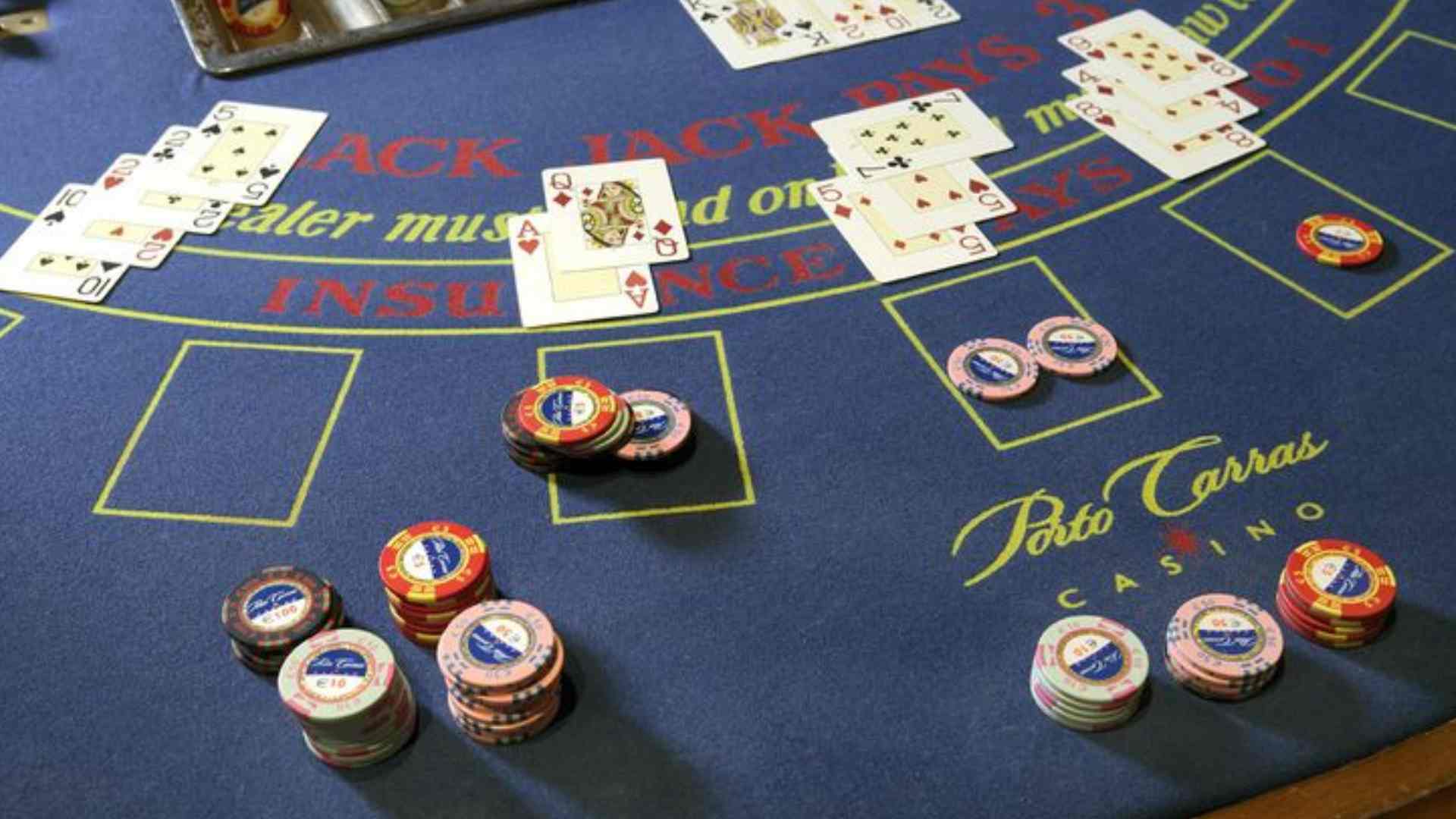
The layout of traditional gaming spaces often reveals how early leisure activities prioritized community engagement over automated speed. Centuries before contemporary casinos streamlined their layouts for maximum transaction volume, classic European salons featured expansive card tables that required active human participation. Examining these multi-layered physical arrangements provides excellent insight into modern entertainment history and how communal accountability originally shaped tactical gameplay.
The Shared Dynamics of Multi Player Layouts
In early variations of popular table games, structural boundaries encouraged direct communication and shared financial liability among all participants. Instead of facing a permanent corporate dealer with unlimited funds, players often took turns managing the table capital directly from a central position. This unique setup transformed a simple comparison of numerical values into an intense psychological contest where personal choice dictated the collective outcome.
Seating placement relative to the active dealer also influenced the amount of operational data available during a live session. Individuals sitting in late positions could carefully observe early behavioral cues and wagering patterns before committing their own resources to a round. This deep reliance on environmental awareness allowed seasoned strategy enthusiasts to mitigate risk through spatial perspective rather than rigid mathematical systems.
Shifting Roles Across Classic Gaming History
As traditional table formats traveled across different regions, French gaming clubs refined the localized guidelines to emphasize sophisticated social customs. Classic variants allowed the primary participants to make independent card-drawing decisions instead of following mandatory automated rules. This structural freedom gave players real agency, making the human element the absolute foundational pillar of early casino operations.
Over time, these historic table setups underwent significant modification to accommodate larger crowds and faster gaming results in physical establishments. Enthusiasts interested in comparing these legacy designs with modern digital variants can visit specialized platforms such as m88 cá cược thể thao trực tuyến to explore a diverse selection of contemporary layouts. This ongoing digital transformation maintains the traditional mathematical tension while utilizing automated software systems to manage complex transactions instantly.
The Continuous Appeal of Community Interaction
Analyzing the historical mechanics of player-controlled tables demonstrates that the fundamental concepts of risk management have remained remarkably consistent. While the visual presentations and interaction tools have modernized, the core psychological engagement of physical gameplay continues to attract researchers worldwide. This successful combination of tactical choice and social accountability explains why legacy gaming traditions maintain a strong global presence.
Ultimately, studying the evolution of ancient table formats reminds modern players that card games were originally designed as highly interactive group ceremonies. Recognizing how early gambling houses balanced physical design with behavioral etiquette provides a much more complete perspective on global entertainment trends. By understanding these older custom variations, contemporary audiences can better appreciate the rich heritage behind every digital round dealt today.