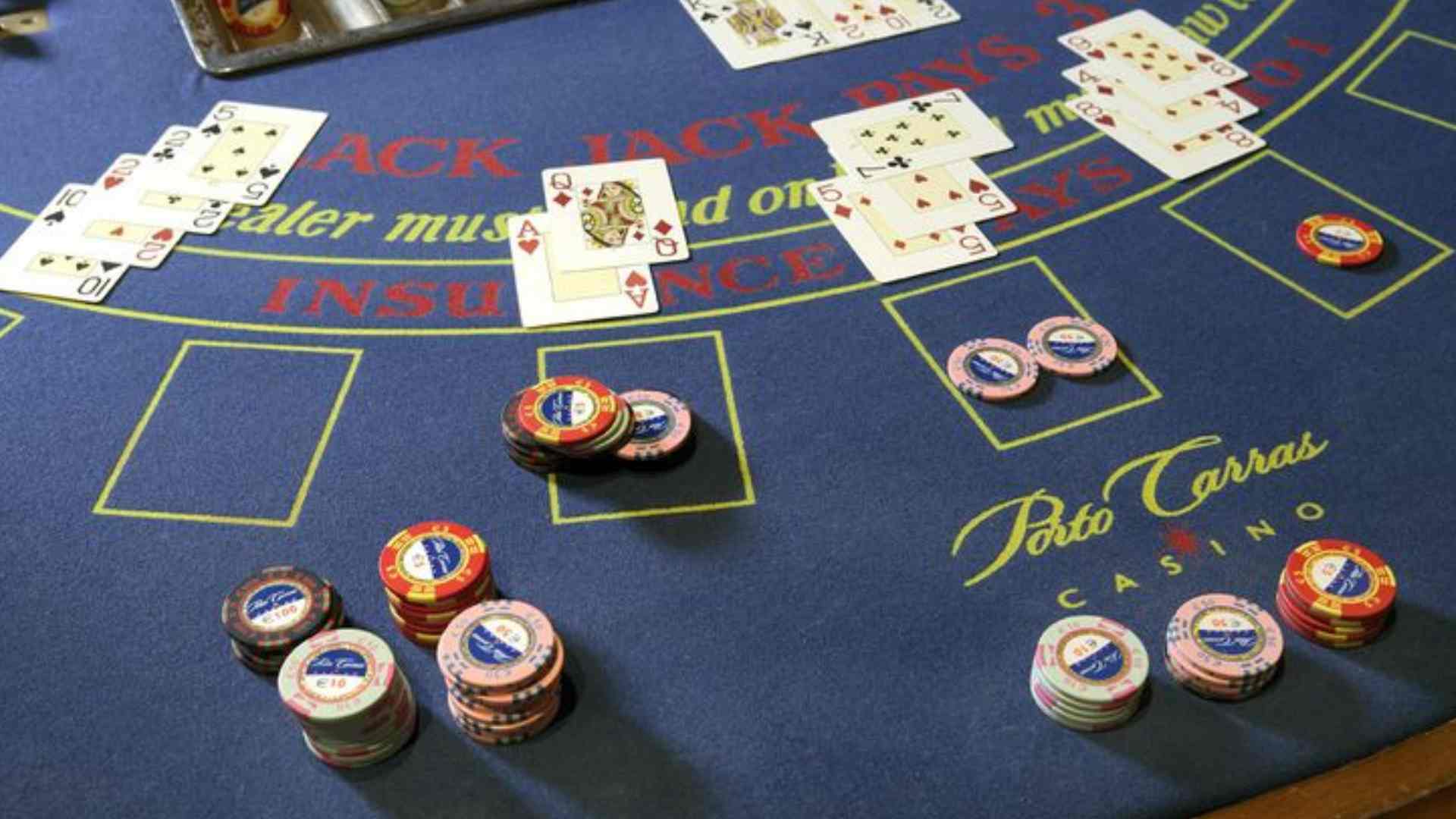
Fast-paced casino environments compress decision times, making it easy for players to fall into emotional traps. When outcomes are revealed in rapid succession, excitement or frustration can quickly override logical thinking. Learning how to maintain mental composure during high-speed gaming is essential for preserving both your bankroll and your enjoyment.
The Psychology Behind Rapid Table Cadence
Accelerated round times create a continuous feedback loop that demands constant attention. This relentless flow reduces the time available for reflection, often prompting reactionary wagers rather than planned choices. Understanding this psychological pressure helps players recognize when impulse begins to replace strategy.
When a string of quick losses occurs, the urge to immediately recover funds becomes extraordinarily powerful. This phenomenon, known as chasing losses, is amplified by the sheer speed of fast tables. Recognizing these emotional shifts early allows players to pause before making rash adjustments to their stakes.
Establishing Pre-Game Parameters for Control
Setting explicit financial boundaries before taking a seat provides a crucial safeguard against emotional turbulence. Allocating a fixed budget for the session ensures that unexpected streaks do not compromise your broader financial well-being. Once these predetermined thresholds are reached, stepping away becomes an automatic defense mechanism.
In addition to financial limits, managing your active session duration prevents mental exhaustion. Prolonged exposure to rapid table action degrades cognitive stamina, increasing susceptibility to emotional fatigue. Players can research strategic registration options using 推广代码 m88 to access structured gaming environments designed for responsible play. Taking structured breaks every half hour helps reset your focus and maintain disciplined decision-making.
Recognizing Personal Triggers During Play
Self-awareness is one of the most effective tools for preventing impulsive behavior at live tables. Physical signals, such as increased heart rate or frustration following a tight outcome, serve as early indicators of emotional tilt. Acknowledging these physiological signs enables you to take a breath and regain composure.
It is equally important to monitor feelings of overconfidence during successful winning runs. Excitement can blind players to risk, leading to larger wagers under the false assumption that luck will persist indefinitely. Treating each round as an independent event helps maintain a balanced and analytical perspective.
Building Sustainable Gaming Routines
Developing a consistent routine converts erratic gambling habits into a controlled, predictable activity. Approaching every session with clear expectations prevents short-term volatility from dictating your mood. When emotional discipline guides your actions, fast tables remain an engaging form of entertainment rather than a source of stress.
Ultimately, mastering self-control at high-speed tables requires practice and commitment. By focusing on process rather than immediate outcome, players build long-term resilience. Establishing firm personal rules ensures that every decision made at the table remains deliberate and composed.