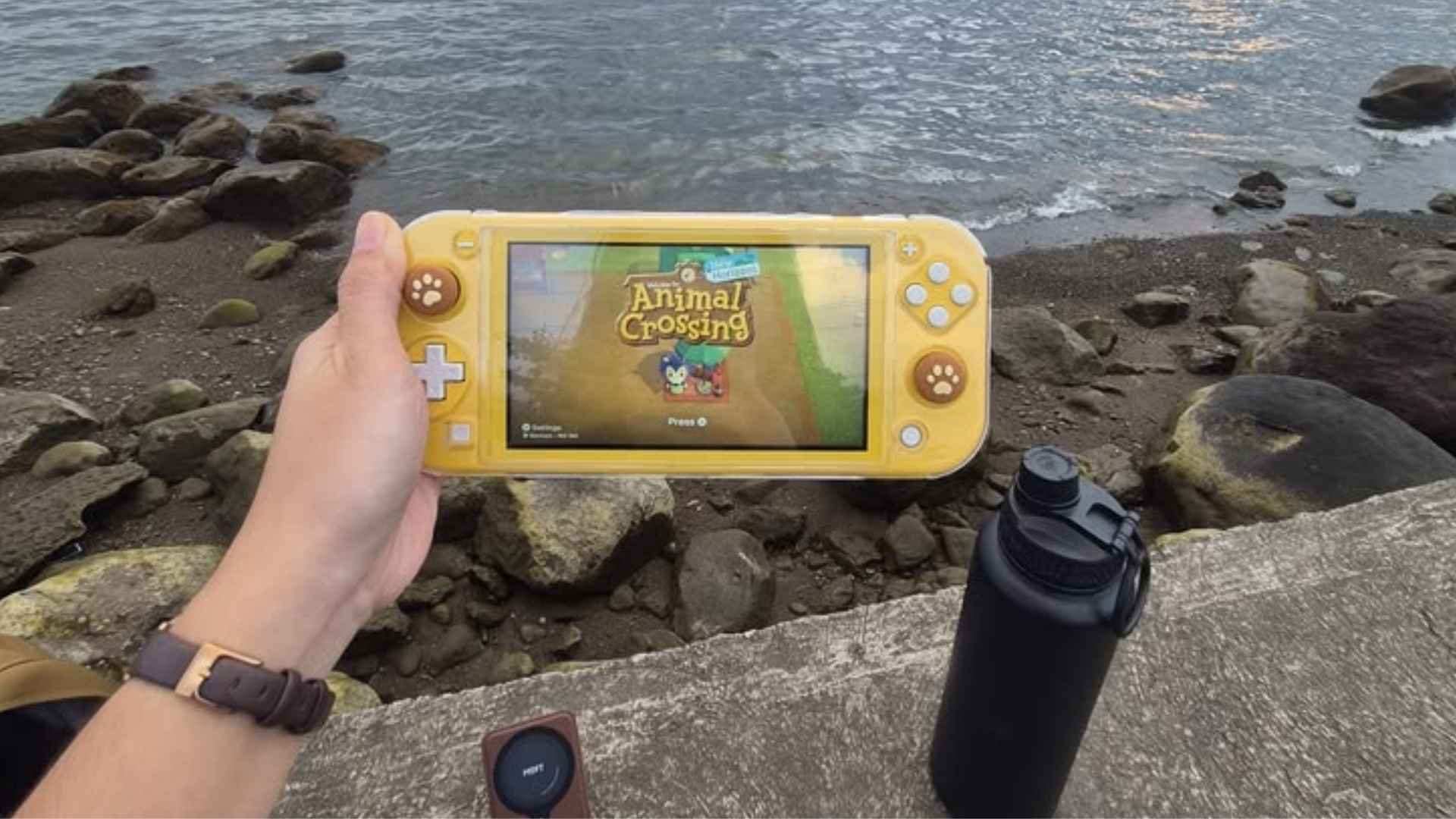
The concept of searching for hidden riches has fascinated humanity for centuries, evolving from ancient maps to sophisticated software. Modern technology has successfully transformed traditional scavenger exploration into highly immersive digital experiences that anyone can enjoy from home. These virtual quests combine clever puzzles, storytelling elements, and interactive mechanics to create an entirely fresh form of casual entertainment.
The Evolution of Virtual Exploration
Digital treasure hunts have grown from basic text-based guessing games into visually stunning adventures. Today, developers utilize complex algorithms and high-definition environments to simulate the genuine suspense of a historic expedition. Players are no longer restricted by geographic boundaries, allowing global communities to solve mysteries together in real time.
This technological shift has also influenced how casual hardware is utilized for interactive entertainment. Many modern enthusiasts combine classic peripheral setups with new platforms, finding that using a versatile game stick m88 can significantly enhance their tactile control during complex grid navigation. Having reliable responsive inputs helps participants focus entirely on decoding clues without dealing with frustrating system delays.
Core Mechanics Behind the Quests
At their foundation, virtual exploration platforms rely on a structured progression system to keep participants engaged. Players must typically decipher riddles, analyze digital artifacts, or locate hidden pixels within a large virtual landscape to unlock subsequent stages. This continuous loop of challenge and revelation provides immediate cognitive satisfaction and rewards logical thinking.
Unlike traditional linear games, these interactive platforms often incorporate branching narratives where user decisions alter the final outcome. This added layer of complexity ensures that every session feels entirely unique and highly customizable. Beginners can easily find approachable entry-level maps, while seasoned veterans can test their skills against intricate cryptographic challenges.
The Growing Popularity of Alternate Realities
The rise of alternate reality games has further blurred the line between the physical world and digital storytelling. These specialized events often require participants to look for clues across real websites, social media channels, and digital archives. By turning the entire internet into a massive playground, creators build an unparalleled sense of realism and community engagement.
Many educational institutions and corporate teams have started implementing these virtual frameworks to improve collaborative problem-solving skills. Working together to solve a complex online mystery fosters natural communication and builds strong trust among participants. As software continues to mature, these interactive adventures are becoming a staple of modern team building and digital learning.
Tips for Starting Your First Journey
Getting started with online scavenger exploration requires minimal preparation but benefits from a systematic approach. It is generally best to begin with web-based platforms that do not require massive downloads or complex configurations. Familiarizing yourself with basic visual patterns and common cryptographic codes can also give you a significant advantage early on.
Maintaining a dedicated digital notebook to track clues and historical references is another highly effective strategy for success. Since many advanced puzzles build upon information revealed in earlier stages, keeping organized records prevents unnecessary confusion. Approaching each session with patience and curiosity guarantees a highly satisfying experience from your very first discovery.