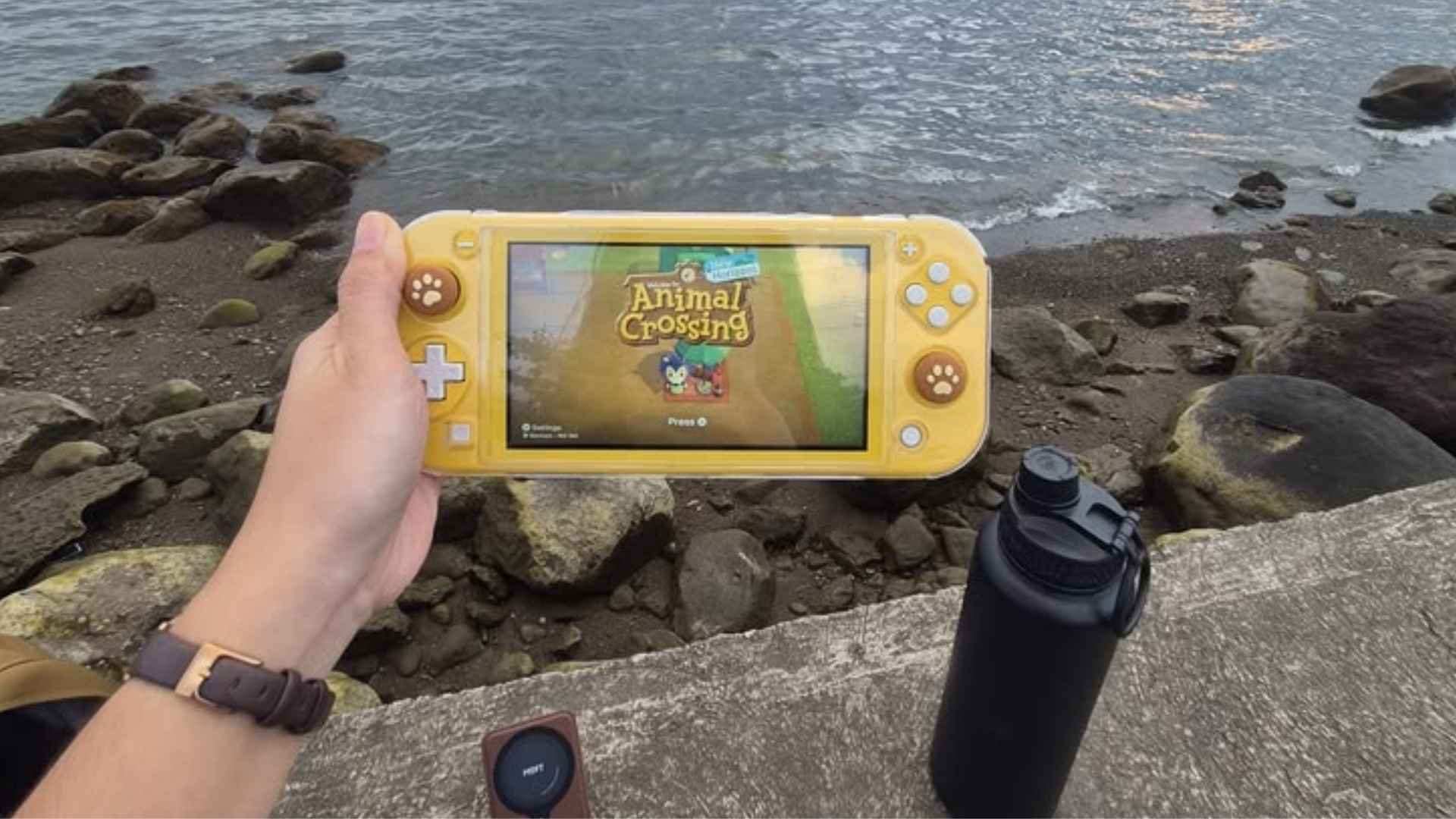
The modern arcade landscape has undergone a significant transformation, moving away from static experiences toward dynamic environments that evolve with the player. By utilizing advanced algorithms and procedural design, developers are now able to create interactive journeys that feel unique every time a session begins.
The Evolution of Dynamic Difficulty Adjustment
One of the most impactful innovations in contemporary gaming is the implementation of dynamic difficulty adjustment systems. These smart agents monitor player performance in real time to ensure the challenge remains perfectly balanced between frustration and boredom.
When a player demonstrates high proficiency, the system subtlely increases the speed and complexity of the obstacles presented. This continuous recalibration keeps the adrenaline flowing and ensures that seasoned veterans remain just as engaged as newcomers.
By tailoring the experience to individual skill levels, modern arcades foster a deep sense of flow and personal achievement. This personalized approach is a major reason why players return to these digital playgrounds for repeated sessions.
Procedural Generation and Infinite Variety
Procedural generation has revolutionized the way game worlds are constructed, allowing for near-infinite variations in level design. Instead of memorizing fixed routes, players must now rely on their instincts and quick reflexes to navigate ever-changing landscapes.
This technology ensures that every match offers a fresh perspective, with randomized enemy placements and environmental hazards. Such variability is essential for maintaining long-term interest and cognitive stimulation in fast-paced arcade titles.
Whether exploring pixelated dungeons or racing through neon-lit cities, the lack of predictability makes every victory feel earned. Players who seek reliable entry to these innovative platforms often look for a secure M88 link to discover the latest releases.
Social Competition and Global Connectivity
Modern arcade adventures are no longer solitary experiences, as global connectivity allows for seamless multiplayer interaction. High-score leaderboards and real-time challenges transform simple games into vibrant competitive communities.
The shared thrill of overcoming difficult stages with friends or rivals adds a layer of social depth that was previously missing. This interconnectedness encourages players to refine their strategies and share tips on mastering specific game mechanics.
Collaborative modes and seasonal tournaments further enhance the replay value by providing fresh goals and rewards. The sense of belonging to a global gaming culture keeps the spirit of the classic arcade hall alive in the digital age.
Artificial Intelligence and Immersive Environments
Artificial intelligence is playing an increasingly vital role in creating immersive and reactive gaming environments. Non-player characters now display complex behaviors that adapt to the player's tactical decisions during high-stakes encounters.
These AI advancements contribute to a more organic feel, where the digital world responds realistically to every action taken. The combination of stunning visuals and intelligent design creates a sensory experience that is both captivating and rewarding.
As web technologies continue to evolve, we can expect even deeper levels of immersion and interactivity in browser-based arcades. The potential for future innovation ensures that the genre will remain a cornerstone of digital entertainment for years to come.