Modern digital entertainment platforms rely heavily on sophisticated progression frameworks to keep enthusiasts engaged over extended durations. By implementing well-crafted milestone systems, creators can naturally encourage regular participation and build dedicated communities. Understanding how these distinct design features influence player habits reveals why certain virtual environments remain compelling for hours on end.
The Psychology of Cumulative Progression
One of the most effective methods for maintaining player focus is the implementation of multi-tiered achievement tracks. When individuals realize that their current efforts directly contribute to significant long-term goals, they are much more likely to prolong their active session. This steady accumulation of progress creates a satisfying loop that fulfills a fundamental desire for competence.
Furthermore, breaking large objectives down into smaller, sequential steps prevents players from experiencing early cognitive fatigue. Each completed minor task provides a brief motivational boost that encourages the user to attempt the next phase immediately. As a result, short play windows naturally expand into much deeper, more immersive experiences.
Dynamic Milestones and Layered Incentives
Introducing diverse reward types ensures that the underlying gameplay loop remains fresh and completely unpredictable over time. When an engagement model shifts between fixed milestones and unexpected bonus drops, it satisfies the human desire for both stability and surprise. This balanced structural framework prevents the virtual landscape from becoming monotonous after hours of continuous play.
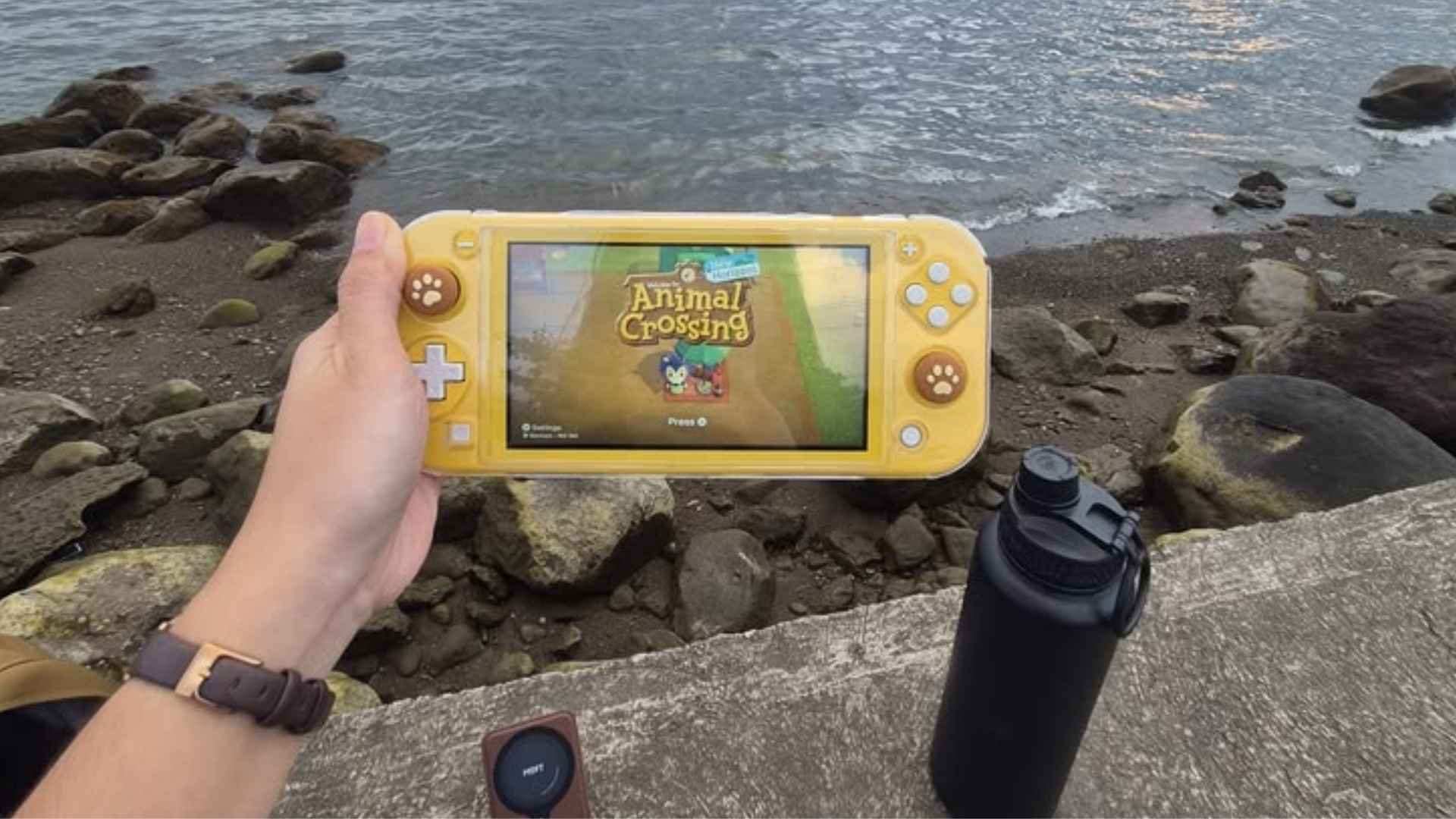
Moreover, developers frequently synchronize these systems with active session metrics to personalize the distribution flow. For enthusiasts looking to explore interactive digital mechanics on portable devices, using tools like the game stick m88 demonstrates how hardware and software combine to support these continuous engagement loops. Offering unique cosmetic or functional unlocks at specific intervals ensures that participants remain highly motivated to stay connected.
Time-Invested Value Systems
Another powerful structural design involves mechanics that scale their payouts based on the total duration of active participation. Linear rewards can sometimes feel flat, whereas systems that appreciate in value over time create a powerful economic incentive to prolong the session. Players naturally want to maximize the efficiency of their time spent within the virtual ecosystem.
This approach works exceptionally well when paired with special events that reward persistent daily or weekly focus. By offering exclusive items that require sustained attention, developers establish a clear connection between dedication and meaningful recognition. Consequently, the player base feels that their extended time investment is genuinely respected by the platform.
Social Mechanics and Collective Milestones
Integrating community-driven goals adds another layer of motivation that encourages users to maintain long active sessions. When a reward is tied to the combined efforts of a guild or the global player base, individual participation directly impacts group success. This social accountability creates a shared sense of urgency that discourages players from logging off early.
Additionally, communal reward systems often feature cooperative challenges that require coordinated strategy over several hours. Participating in these collaborative events fosters deeper social bonds and elevates the perceived value of the final payout. The shared experience of overcoming difficult challenges together serves as a powerful retention tool for modern live-service titles.
Sustaining Engagement with Ethical Design
While maximizing session length remains a primary goal for developers, maintaining transparency and fairness is crucial for building lasting trust. If the distribution mechanics feel overly manipulative or entirely dependent on predatory patterns, audiences will eventually abandon the platform. Achieving an ideal equilibrium between compelling engagement and user well-being ensures a healthy, long-term ecosystem.
Ultimately, the reward features that successfully encourage prolonged interaction are those that respect the player's agency and time. By combining structured progression with engaging surprise elements, creators build virtual spaces that remain relevant and entertaining for years. The future of interactive design will undoubtedly continue to evolve around these balanced, player-centric motivational strategies.