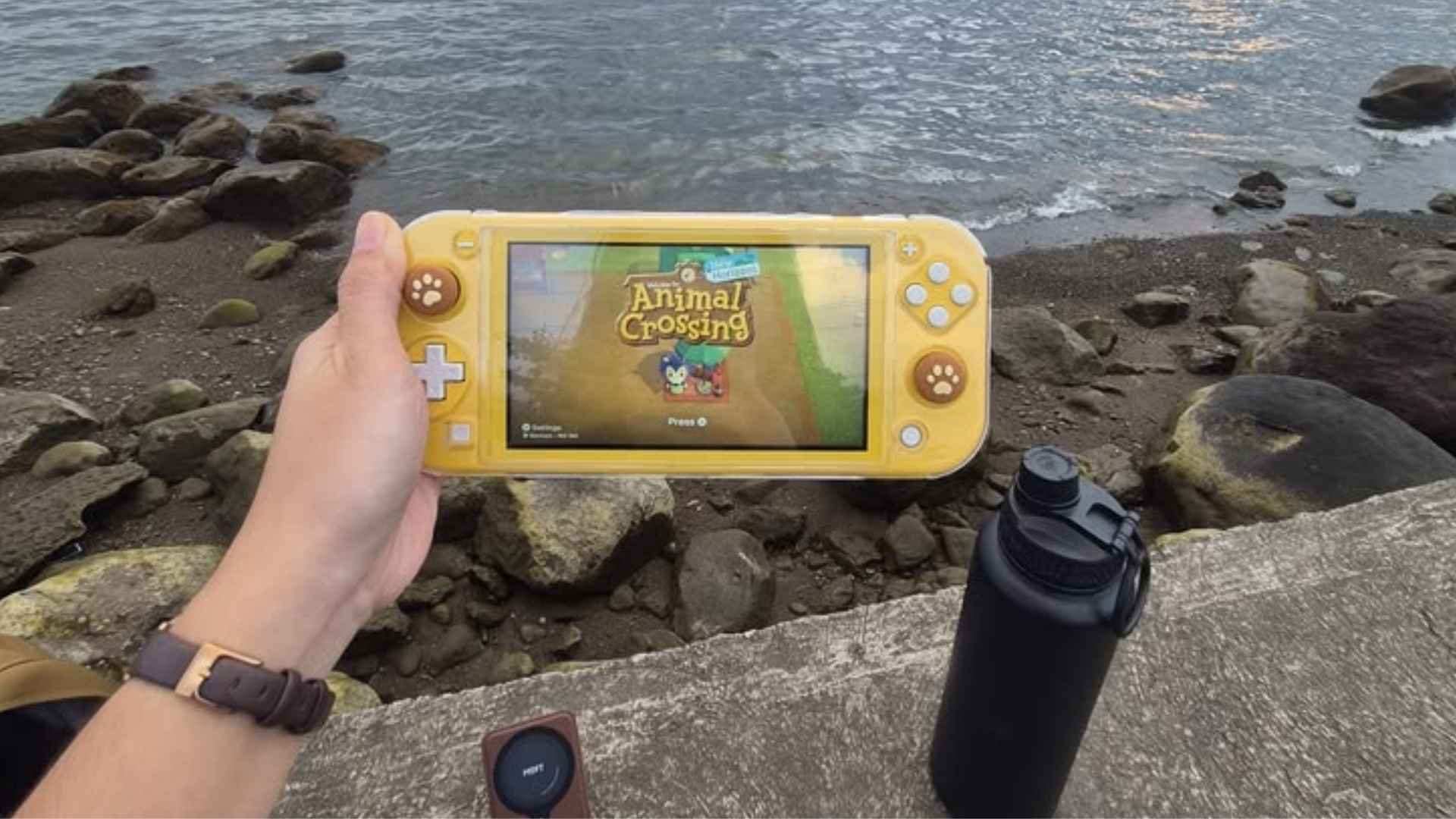
Strategy games have long been recognized for their ability to challenge the human intellect and improve spatial reasoning. Engaging with these complex digital environments forces participants to look past the current state of the board and accurately project future outcomes. This active mental mapping builds cognitive flexibility that successfully translates into everyday decision-making routines.
The Architecture of Tactical Anticipation
Modern gaming demands that players construct intricate mental models to manage competing priorities simultaneously. Every action taken in the early phases creates a ripple effect that alters the viability of your late-game options. True mastery relies on recognizing these hidden connections before committing valuable assets to an irreversible path.
Furthermore, evaluating risk versus reward helps individuals develop a healthier relationship with calculated vulnerability. Choosing when to conserve strength and when to expand territory requires intense emotional control and analytical poise. Through deliberate repetition, players learn to suppress impulsive reactions in favor of structured frameworks.
Cultivating Resource Efficiency Over Time
Sustainable progression across complex digital landscapes is almost always tied to robust economic management. Distributing limited materials across multiple production tracks forces players to think deeply about operational efficiency. Neglecting your financial foundation early on inevitably results in sudden late-game vulnerability.
Engaging with interactive tools like the game stick m88 allows participants to analyze how high-level mechanics govern real-time simulations. Perfecting this logistical balance prevents critical asset depletion during high-pressure tournament situations. Over time, managing these complex digital systems sharpens your broader capacity for long-term project planning.
Adapting to Unpredictable Environments
No strategy completely survives initial contact with a competitive opponent, making fluid adaptability an absolute necessity. When an unexpected obstacle disrupts your initial roadmap, elite players immediately pivot toward dynamic counter-measures. This constant cycle of analysis and execution prevents cognitive rigidity under intense stress.
Reviewing past matches through detailed post-game study helps isolate recurring logical oversights. Embracing these minor setbacks as learning opportunities actively accelerates personal development and tactical awareness. Through persistent effort, anyone can transform routine entertainment into a powerful exercise for the mind.