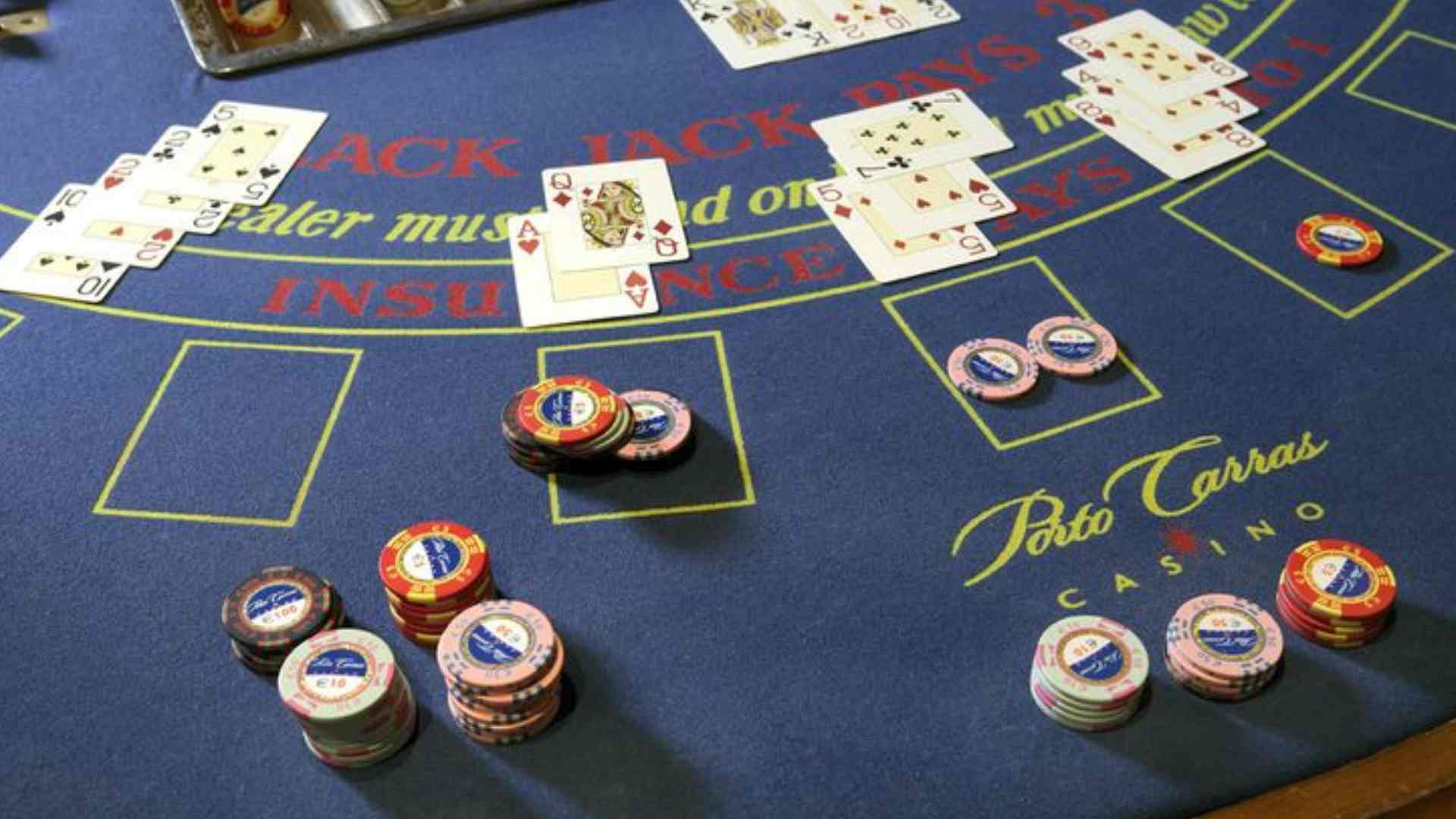
In many multiplayer games and randomized activities, the engagement does not end when a participant completes their direct action. Even after their personal turn is finished, individuals frequently remain glued to the screen or table to witness subsequent outcomes. This behavior highlights a fascinating aspect of psychology where observing the progression of others provides its own distinct form of entertainment.
The Pull of Shared Social Suspense
When a group gathers around a game or a digital spinner, a collective emotional environment is instantly created. Watching another person navigate their turn allows remaining participants to experience the thrill of the outcome without any immediate personal risk. This shared anticipation fosters an interactive atmosphere where everyone stays connected to the ongoing narrative.
Furthermore, observing the choices or luck of others helps individuals assess their own standing in the session. It transforms a solo gaming moment into a dynamic group event filled with lighthearted reactions and mutual engagement. This continuous attention ensures that the social energy of the room remains high from start to finish.
The Strategic Value of Passive Observation
Remaining focused after a turn is completed often serves a practical purpose for competitive participants. By observing how subsequent rounds play out, individuals can gather crucial information about patterns, probabilities, and opponent behavior. This passive learning window allows people to refine their upcoming strategies based on real-time data.
In many online gaming ecosystems, keeping track of active bonuses and promotional events can also influence overall player decisions. For instance, understanding specific rewards or utilizing a specialized 促销代码 m88 can significantly alter how someone approaches the next round of play. Paying close attention to every detail ensures that no strategic advantage is overlooked when the next opportunity arises.
Empathy and Narrative Investment in Entertainment
Human beings are naturally wired to project themselves into stories, and a multiplayer game functions much like an unfolding script. Spectators often experience strong empathetic responses as they watch their peers face sudden victories or unexpected near-misses. This narrative investment turns every single round into a compelling storyline that demands closure.
The visual momentum of a live event keeps the brain active and engaged even during periods of downtime. Instead of feeling like a tedious waiting period, watching the rest of the game becomes an essential part of the overall experience. Ultimately, the joy of discovery and the thrill of uncertainty keep eyes fixed on the final result.