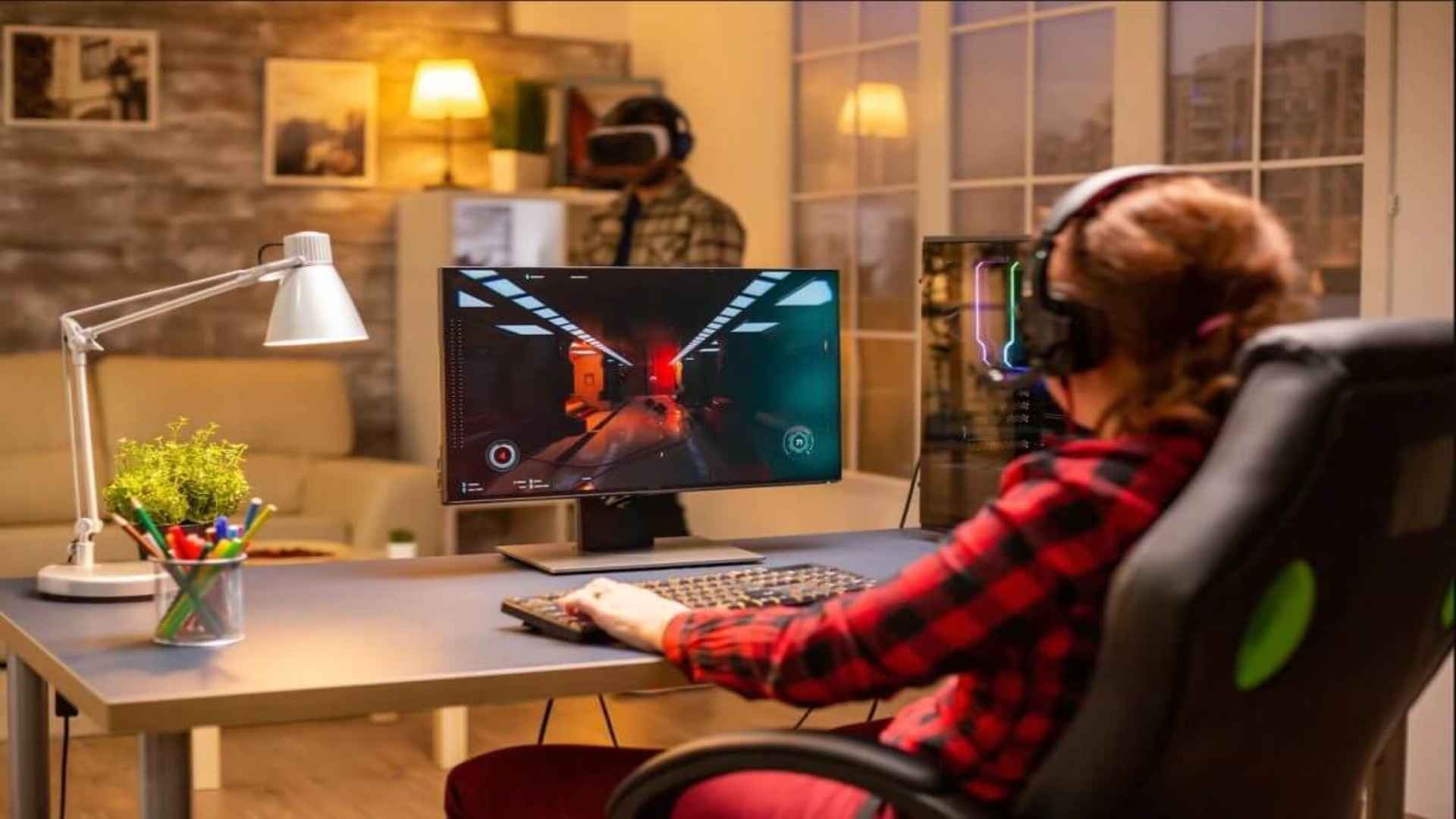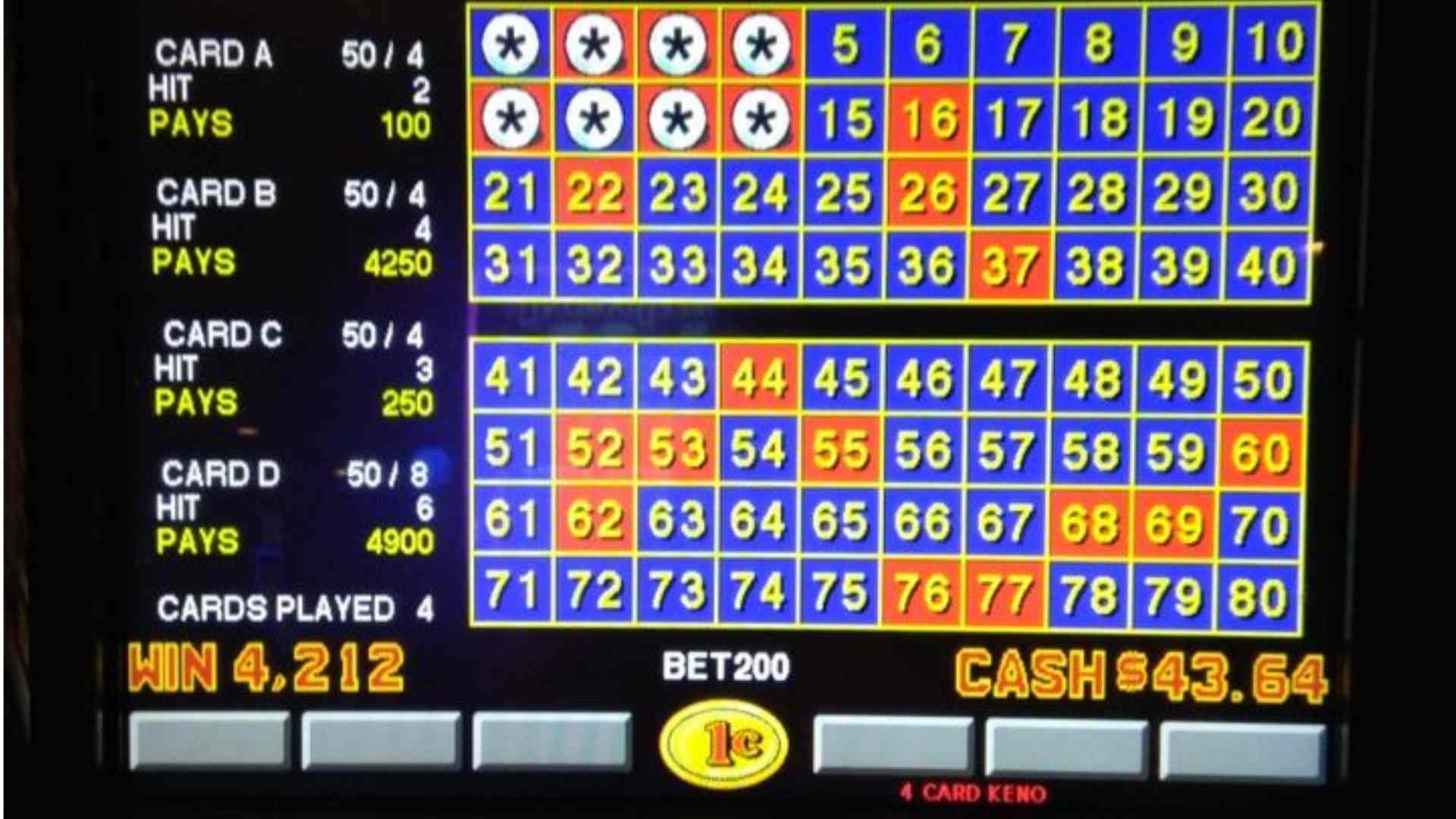
Modern digital gaming relies heavily on visual fluidity to create convincing interactive experiences for players worldwide. When watching simulated draw machines or interactive numeric games, the realistic motion of rolling and bouncing spheres depends directly on consistent graphic delivery. Maintaining frame rate stability ensures that visual physics feel natural rather than artificial or jarring.
The Role of Consistent Frame Rates in Visual Motion
Frame rate measures how many individual images a display engine renders per second to simulate fluid motion. When rendering dynamic objects like spinning or falling spheres, high frame delivery creates believable continuous trajectory. Consistent frame timing prevents visual stutter, allowing human eyes to follow fast numerical updates effortlessly.
Hardware performance variations can cause rendering delays that disrupt visual flow during active draws. When frame updates drop unexpectedly, smooth motion degrades into erratic movement that detracts from user engagement. Maintaining stable performance metrics across diverse devices guarantees a uniform experience for every participant.
Why Screen Refresh Synchronicity Matters
Display screens update their imagery at dedicated hardware intervals, typically ranging from sixty to one hundred twenty hertz. If a gaming interface delivers frames out of sync with display refreshes, screen tearing and motion blur occur. Proper synchronization aligns rendering pipelines directly with hardware capabilities for optimal visual clarity.
Visual fidelity directly influences how users perceive platform reliability during real-time online draws. Smooth graphical transitions reassure players that software operations are running transparently without underlying technical glitches. Clean rendering helps build long-term trust between modern digital platforms and their global audiences.
Optimizing Graphical Assets for Performance
Developers use lightweight rendering assets and smart physics simulation to reduce processor workloads on mobile devices. By optimizing texture sizes and vector calculations, software can maintain constant frame rates even during complex animation sequences. Efficient resource allocation preserves battery life while preserving crisp visual presentation.
Advanced graphics engines dynamically adjust rendering details to compensate for temporary hardware constraints. This adaptive scaling ensures that ball rotation, lighting, and shadow effects remain smooth without stuttering. Balancing visual complexity with performance optimization keeps interactive sessions fast and responsive.
Reducing Motion Fatigue for Extended Sessions
Fluctuating frame rates create micro-stutters that force human vision to continuously readjust to uneven object paths. Prolonged exposure to choppy animations can cause subtle visual discomfort and cognitive fatigue. Delivering steady, predictable frame delivery creates a comfortable viewing environment for longer sessions.
Clean animations allow players to track draw results clearly without distraction or eye strain. As digital entertainment interfaces evolve, prioritizing high-frame stability remains central to effective user interface design. Quality rendering standards ultimate refine how modern audiences experience interactive visual games.